Table of Contents
ToggleWhat You Need to Know: A Comprehensive Glossary for Interior Design Projects
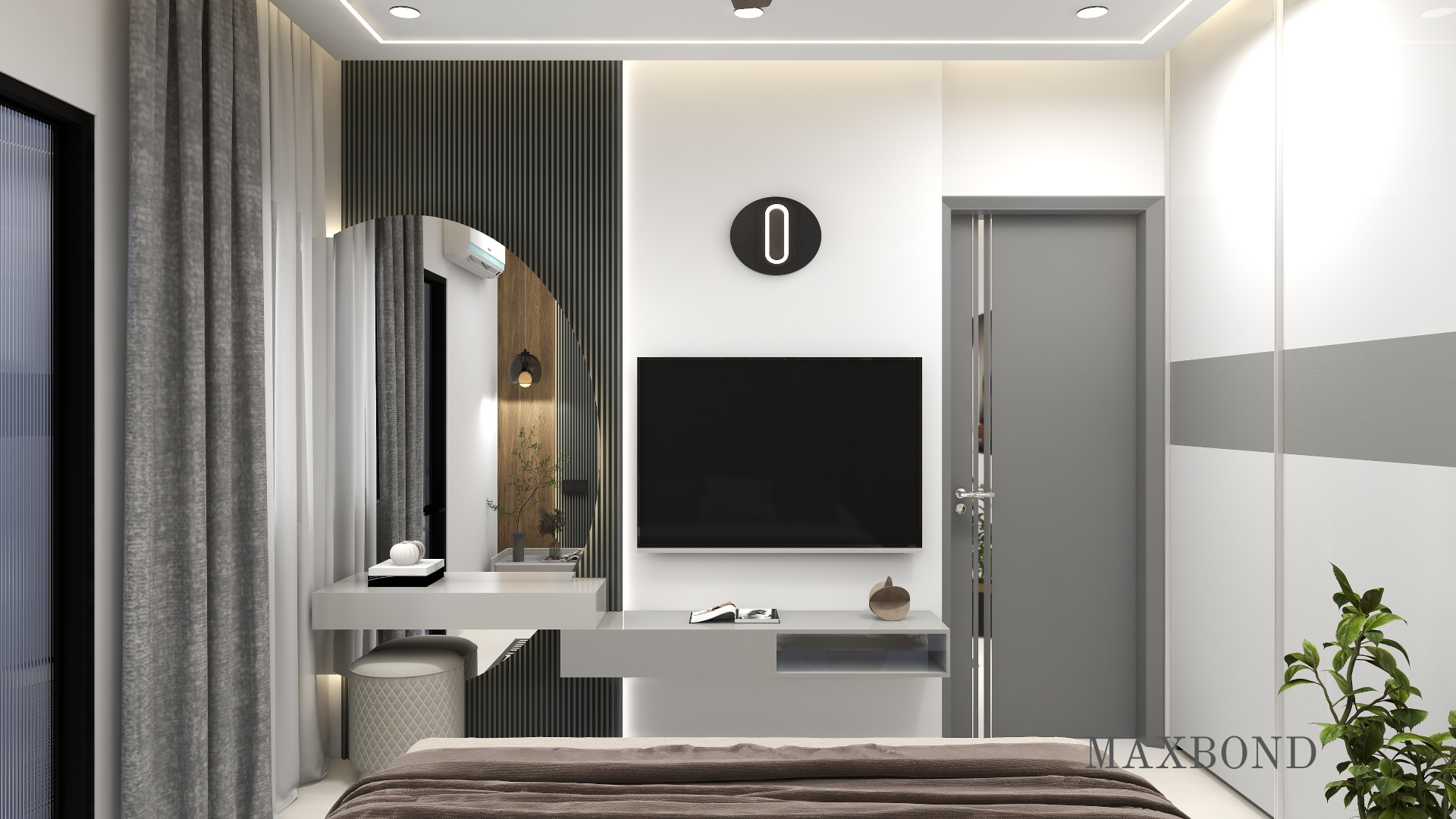
Interior design projects often involve a mix of technical terms, materials, and processes that can feel overwhelming—especially for homeowners, architects, and developers working together. Whether you’re planning a residential space or a large-scale project, understanding key terminology ensures smoother communication, better decision-making, and more efficient execution.
This glossary simplifies essential interior design terms so you can confidently navigate your next project.
Why Understanding Interior Design Terms Matters
Interior design is not just about aesthetics—it’s about functionality, durability, and execution. Misunderstanding terms can lead to:
- Incorrect material selection
- Budget overruns
- Design mismatches during execution
- Delays in project completion
For architects and developers, especially when working with a B2B construction company in Haryana, clarity in terminology helps align design intent with on-site execution.
A–Z Glossary of Interior Design Terms
A
Accent Wall
A wall designed to stand out using different colors, textures, or materials.
Ambient Lighting
The primary source of light in a room that provides overall illumination.
B
Backsplash
A protective surface behind sinks or stoves, commonly used in kitchens.
Built-in Furniture
Furniture integrated into the structure, such as wardrobes or cabinets.
C
Carcass
The internal framework of modular furniture like wardrobes or kitchens.
Cladding
A layer of material applied to walls for protection or aesthetics.
D
False Ceiling
A secondary ceiling installed below the main ceiling to conceal wiring and improve aesthetics.
Duco Finish
A smooth, high-gloss paint finish often used in premium interiors.
E
Edge Banding
A thin strip applied to the edges of boards to protect and enhance appearance.
Elevation (Interior)
A flat drawing showing one side of a room or structure.
F
Flush Door
A simple, flat-surfaced door commonly used in modern interiors.
Flooring Types
Includes tiles, hardwood, laminate, and vinyl options used for interior surfaces.
G
Gypsum Board
A material used for false ceilings and partition walls.
H
Hardware (Furniture)
Includes hinges, handles, channels, and fittings used in furniture.
I
Interior Fit-Out
The process of making interior spaces ready for use, including flooring, ceilings, and furniture installation.
J
Joinery
The technique of connecting wooden components in furniture or structures.
K
Kerfing
A woodworking technique used to bend materials.
L
Laminate
A decorative surface material applied to furniture for durability and aesthetics.
M
Modular Furniture
Pre-fabricated furniture units like kitchens, wardrobes, and TV panels designed for easy installation.
N
Niche
A recessed space in a wall used for storage or decoration.
O
Open Layout
A design concept where spaces are connected without walls, enhancing flow and openness.
P
Partition
A divider used to separate spaces without constructing full walls.
Plywood
A commonly used engineered wood material in furniture and interiors.
Q
Quartz Surface
A durable engineered stone used for countertops.
R
Rendering (3D)
A digital representation of the design before execution.
S
Skirting
A board running along the bottom of walls to protect and enhance appearance.
Soft Furnishings
Includes curtains, cushions, and upholstery elements.
T
Texture Finish
Surface finishes that add depth and visual interest to walls.
U
uPVC Windows
Durable, low-maintenance window systems commonly used in modern construction.
V
Veneer
A thin layer of natural wood applied to surfaces for a premium look.
W
Wardrobe (Modular)
Custom-designed storage units integrated into interiors.
Y
Yield Strength (Materials)
The capacity of materials to withstand stress before deformation.
How This Glossary Helps in Real Projects
Understanding these terms helps:
- Communicate clearly with designers and contractors
- Avoid costly mistakes
- Make informed material choices
- Ensure design matches execution
For large-scale or commercial projects, working with a B2B construction company in Haryana ensures these elements are handled seamlessly—from design planning to final installation.
Conclusion
Interior design is a blend of creativity and technical precision. By understanding key terminology, you empower yourself to make smarter decisions and ensure that your project runs smoothly from concept to completion.
Whether you’re a homeowner or a developer, combining design knowledge with the expertise of a reliable execution partner can help you achieve interiors that are not only beautiful but also functional and long-lasting.
FAQ
1. What is an interior design glossary?
An interior design glossary is a collection of commonly used terms and definitions that help architects, designers, and clients understand materials, processes, and design elements used in projects.
2. Why is it important to understand interior design terminology?
Understanding interior design terms helps avoid miscommunication, ensures correct material selection, and improves coordination between architects, contractors, and clients during execution.
3. Who should use an interior design glossary?
This glossary is useful for homeowners, architects, interior designers, builders, and developers involved in residential or commercial projects.
Ready to build with Maxbond?
Contract-backed 8-month construction and 90-day interior execution — zero subcontractors, one point of accountability.
Call +91 98125 36500